打一针的英国实战效果,犹豫疫苗间隔时间长的可以参考:
Researchers urge public to get second COVID-19 vaccine dose after study finds single dose of Pfizer vaccine insufficient to protect against variants

www.theglobeandmail.com
Researchers in Britain have found that one dose of the
Pfizer-BioNTech vaccine provides insufficient protection against new variants of the
COVID-19 virus and urged public-health officials to be vigilant about ensuring that people receive a second injection.
The study “is basically showing that if you’ve had prior COVID-19, and then you’ve had a single dose vaccine, you are really in a different league in terms of your immune response,” said Rosemary Boyton, a professor of immunology and respiratory medicine at Imperial College who co-authored the study. “It’s almost like the infection has acted as a prime and the first dose has acted as a boost.”
这个说感染一次后打了第一针辉瑞疫苗效果非常好。是不是灭活疫苗跟辉瑞疫苗混打比较好?灭活跟没有变异的感染应该差不多。高兽医也不是乱说。
However, the group of volunteers who had not been infected showed a much weaker immune response to the variants after one dose.
The study showed that their level of neutralizing antibodies was 11- to 25-fold lower against the B. 1.1.7 variant compared with the original version of the virus, “resulting in the majority of individuals falling below the protective threshold.”
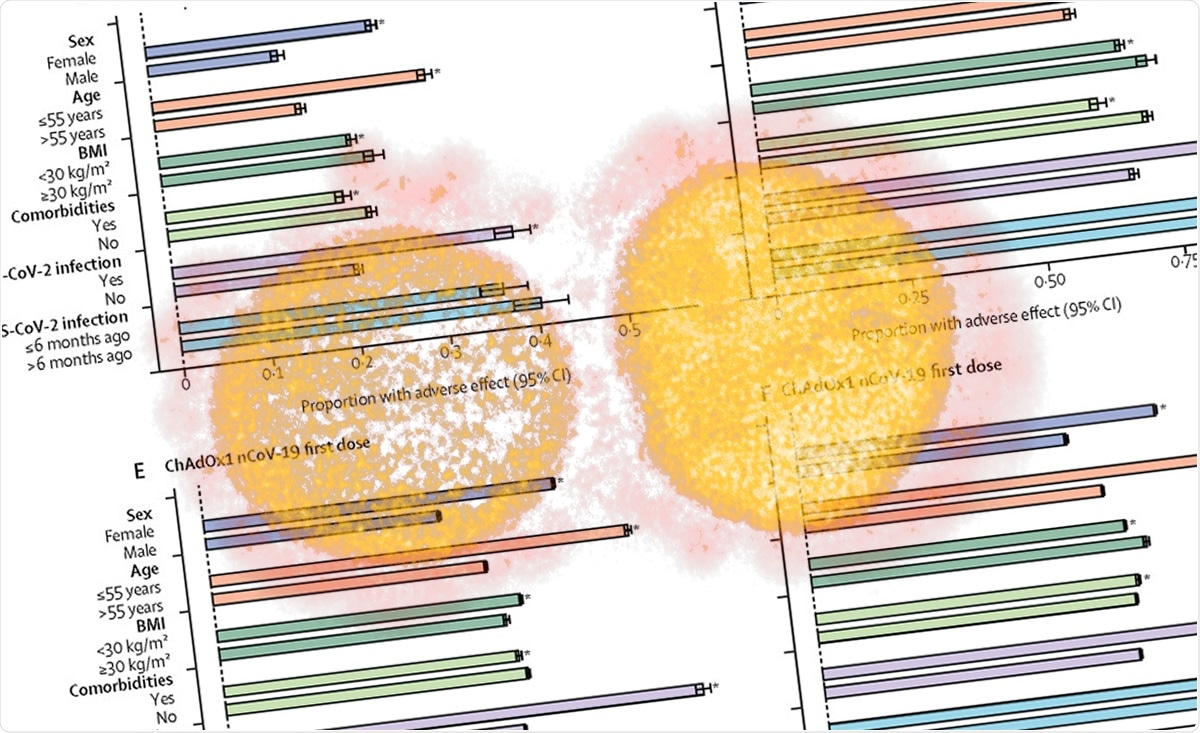
Researchers in the UK and United States have demonstrated the efficacy of one dose of either the Pfizer-BioNTech or Oxford-AstraZeneca vaccine against infection with severe acute respiratory syndrome coronavirus 2 (SARS-CoV-2) in a real-world community setting in the UK.

www.news-medical.net
英国实战数据,一针效果较好,但对变异比较差,一针对英国变异的抗体减低11到25倍,应该没有什么效果
As reported in
The Lancet: Infectious Diseases, documented infection rates following a single dose of the Pfizer-BioNTech (BNT162b2) vaccine were 58% lower after 12 to 20 days, 69% lower after 21 to 44 days, and 72% lower after 45 to 59 days, compared with unvaccinated controls.
Following one dose of the Oxford-AstraZeneca (ChAdOx1) vaccine, documented infection rates were 39% lower after 12 to 20 days and 60% lower after 21 to 44 days than among unvaccinated controls.